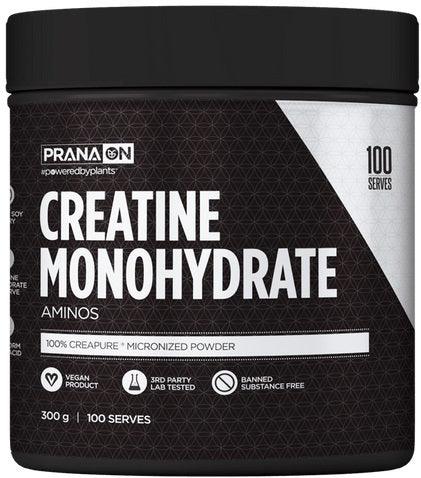
Designs For Health Creatine Monohydrate 500g
Nutritional Biochemistry
The second step occurs in the liver, where guanidinoacetate is methylated by guanidinoacetate methyltransferase, using S-adenosyl methionine (SAM) as a methyl donor. Once synthesised, creatine is released into circulation and transported to tissues, primarily skeletal muscle (~95 %), with smaller amounts in the brain and kidneys.
Mechanism of Action
Clinical Use
Creatine Supplementation Strategies: Loading vs Maintenance
The choice of strategy depends on individual goals and clinical context:
- A loading phase may be preferred where rapid saturation is desired.
- A maintenance-only strategy may suit individuals supplementing long term or wishing to minimise side effects sometimes observed during loading.
In summary, accumulating evidence indicates that creatine loading is not a one-size-fits-all strategy, and should be tailored to individual goals and clinical context.
Directions to use:
Allergen Information:
- No added: gluten, dairy, lactose, nuts, corn, or soy
- Vegan Friendly
Prescribing Information:
- Creatine monohydrate is generally well-tolerated at standard supplemental intakes.
- Maintain adequate hydration during use, particularly during higher dose loading phases
- Caution is advised in individuals with pre-existing renal impairment or those using nephrotoxic medications. Gastrointestinal discomfort may occur at higher intakes, especially during loading.
- No significant medicine interactions have been reported at typical supplemental doses.
- Suitable for vegetarians and vegans.
Product Information
Product Information
Shipping & Returns
Shipping & Returns


Designs For Health Creatine Monohydrate 500g
Designs For Health Creatine Monohydrate 500g
Nutritional Biochemistry
The second step occurs in the liver, where guanidinoacetate is methylated by guanidinoacetate methyltransferase, using S-adenosyl methionine (SAM) as a methyl donor. Once synthesised, creatine is released into circulation and transported to tissues, primarily skeletal muscle (~95 %), with smaller amounts in the brain and kidneys.
Mechanism of Action
Clinical Use
Creatine Supplementation Strategies: Loading vs Maintenance
The choice of strategy depends on individual goals and clinical context:
- A loading phase may be preferred where rapid saturation is desired.
- A maintenance-only strategy may suit individuals supplementing long term or wishing to minimise side effects sometimes observed during loading.
In summary, accumulating evidence indicates that creatine loading is not a one-size-fits-all strategy, and should be tailored to individual goals and clinical context.
Directions to use:
Allergen Information:
- No added: gluten, dairy, lactose, nuts, corn, or soy
- Vegan Friendly
Prescribing Information:
- Creatine monohydrate is generally well-tolerated at standard supplemental intakes.
- Maintain adequate hydration during use, particularly during higher dose loading phases
- Caution is advised in individuals with pre-existing renal impairment or those using nephrotoxic medications. Gastrointestinal discomfort may occur at higher intakes, especially during loading.
- No significant medicine interactions have been reported at typical supplemental doses.
- Suitable for vegetarians and vegans.
Original: $21.43
-65%$21.43
$7.50Product Information
Product Information
Shipping & Returns
Shipping & Returns
Description
Nutritional Biochemistry
The second step occurs in the liver, where guanidinoacetate is methylated by guanidinoacetate methyltransferase, using S-adenosyl methionine (SAM) as a methyl donor. Once synthesised, creatine is released into circulation and transported to tissues, primarily skeletal muscle (~95 %), with smaller amounts in the brain and kidneys.
Mechanism of Action
Clinical Use
Creatine Supplementation Strategies: Loading vs Maintenance
The choice of strategy depends on individual goals and clinical context:
- A loading phase may be preferred where rapid saturation is desired.
- A maintenance-only strategy may suit individuals supplementing long term or wishing to minimise side effects sometimes observed during loading.
In summary, accumulating evidence indicates that creatine loading is not a one-size-fits-all strategy, and should be tailored to individual goals and clinical context.
Directions to use:
Allergen Information:
- No added: gluten, dairy, lactose, nuts, corn, or soy
- Vegan Friendly
Prescribing Information:
- Creatine monohydrate is generally well-tolerated at standard supplemental intakes.
- Maintain adequate hydration during use, particularly during higher dose loading phases
- Caution is advised in individuals with pre-existing renal impairment or those using nephrotoxic medications. Gastrointestinal discomfort may occur at higher intakes, especially during loading.
- No significant medicine interactions have been reported at typical supplemental doses.
- Suitable for vegetarians and vegans.